What recycled plastic lumber actually is
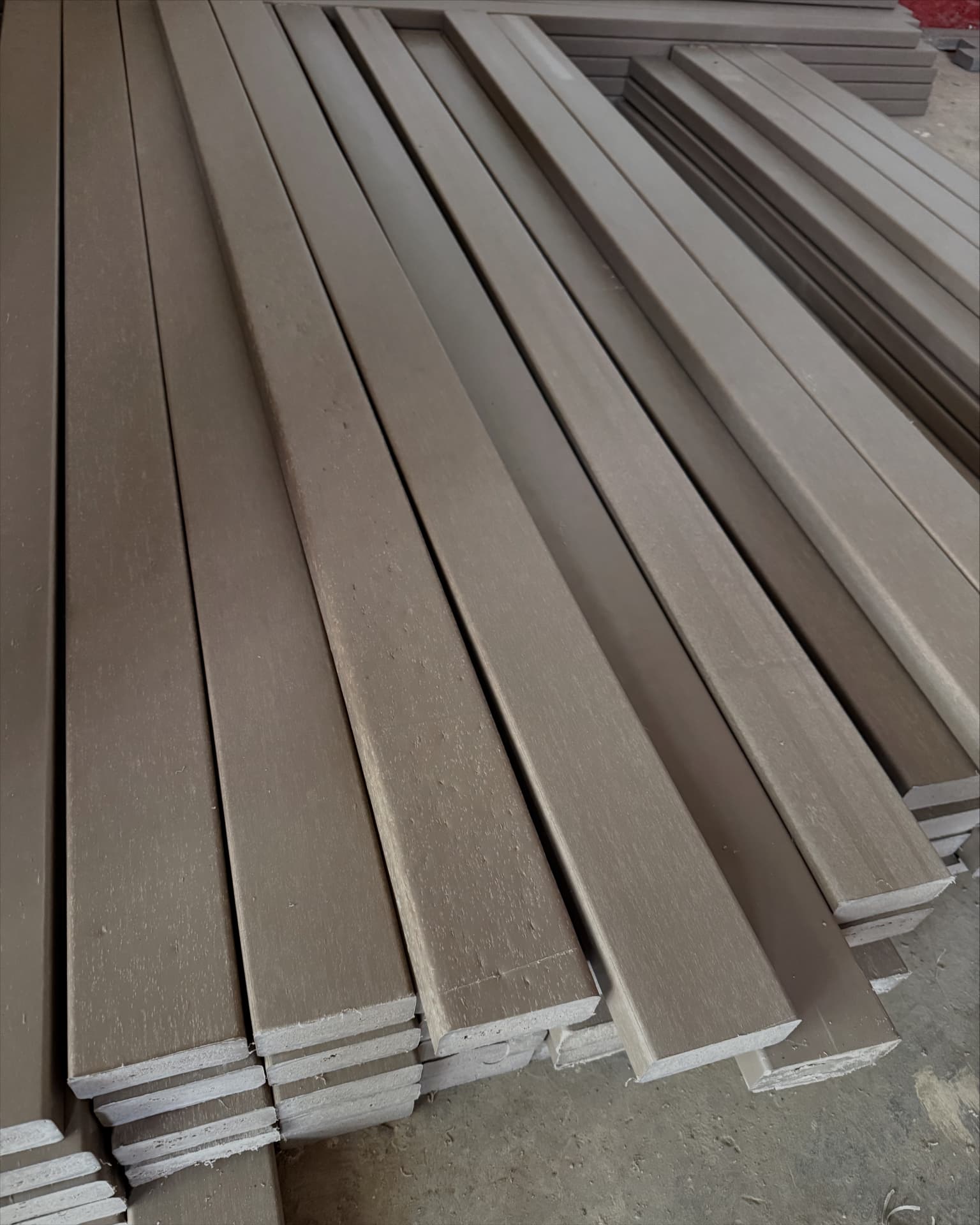
Recycled plastic lumber is not a coating, a veneer or a wood-plastic blend. It is a solid section of high-density polyethylene, the same polymer used for milk crates and jerrycans, reprocessed into building profiles. Colour runs all the way through the board, so a saw cut, a screw hole or a scratch exposes the same material rather than raw timber or a wood-flour core.
That single fact explains most of its behaviour on site. Because there is no wood fibre anywhere in the section, there is nothing to swell when it rains, nothing to rot when water sits on it, and nothing for termites to digest. What remains is a dense, slightly flexible, UV-stabilised board that behaves predictably in Tanzanian heat and weather.
It is worth separating three products that are often confused in the East African market: timber (natural wood), composite decking (wood flour bonded with plastic, almost always imported), and solid recycled plastic lumber (no wood at all). Only the third one is manufactured at scale in Tanzania.
| Hardwood timber | Imported composite | Recycled plastic lumber | |
|---|---|---|---|
| Wood content | 100% | Typically 50-60% wood flour | None |
| Water absorption | High | Low but present at cut ends | Effectively zero |
| Termite risk | High | Present | None |
| Maintenance | Sand, oil or seal seasonally | Clean; caps can scratch | Wash with water |
| Source | Local forestry | Imported, freighted, duty-paid | Extruded in Arusha |
| Currency exposure | Low | High | None — priced in TSh |
How it is manufactured in Arusha
Every board starts as waste. Collectors, camps, lodges, schools and households across the northern circuit supply post-consumer plastic to our yard. The material is sorted by polymer and colour, washed, shredded into flake and dried before it goes anywhere near an extruder.
Clean flake is then melted and forced through a die that gives the profile its section — a 4×1.5 inch plank, a post, a cladding board or a furniture component. Profiles are cooled, cut to length, finished and either stacked for collection or loaded for delivery. Nothing in that chain leaves Tanzania and nothing is imported, which is why lead times are measured in days rather than shipping months.
Manufacturing locally also means specification is flexible. If a lodge needs a longer plank, a different section or a specific colour run, that is a conversation with the production floor rather than a container order placed six months in advance.
- Collect — post-consumer HDPE gathered across northern Tanzania
- Sort — separated by polymer type and colour
- Prepare — washed, shredded to flake and dried
- Process — melted and homogenised
- Extrude — forced through profile dies
- Finish — cooled, cut to length and inspected
- Fabricate — assembled into decks, furniture and prefabricated platforms
Where it replaces timber, and where it does not
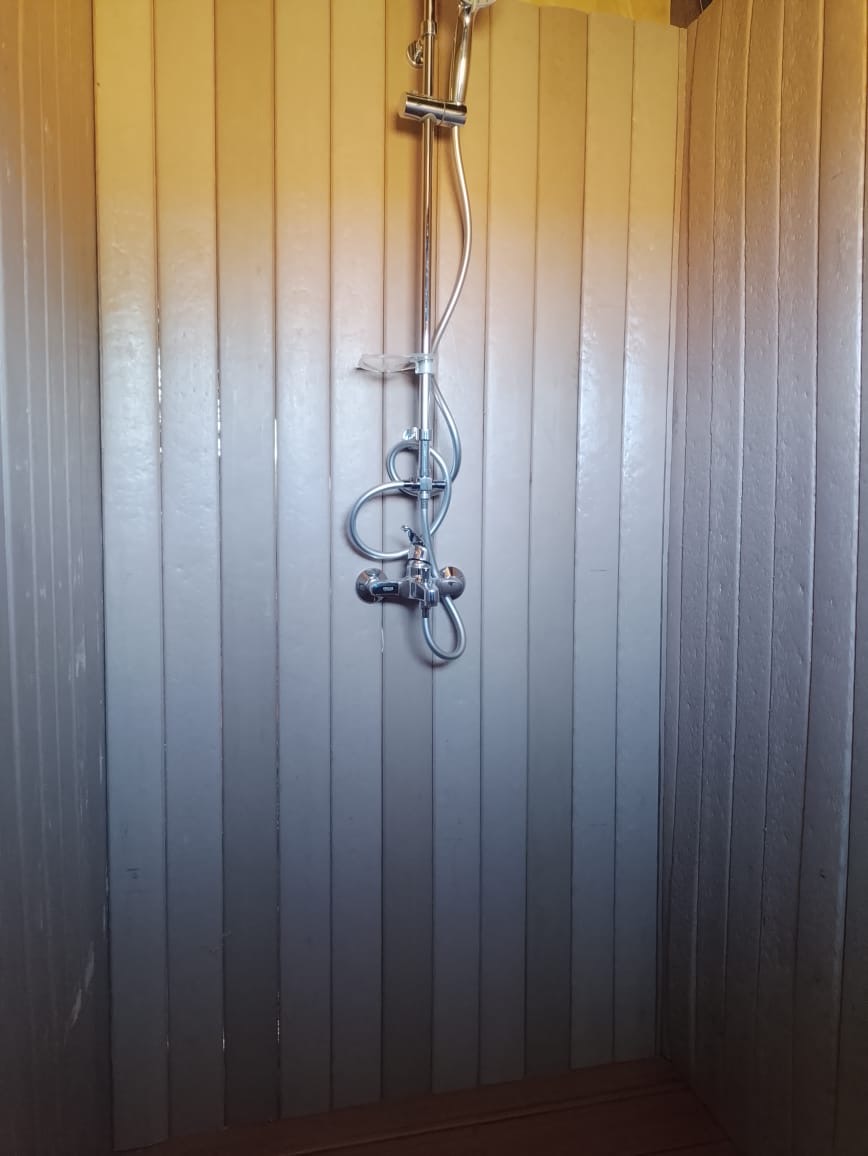
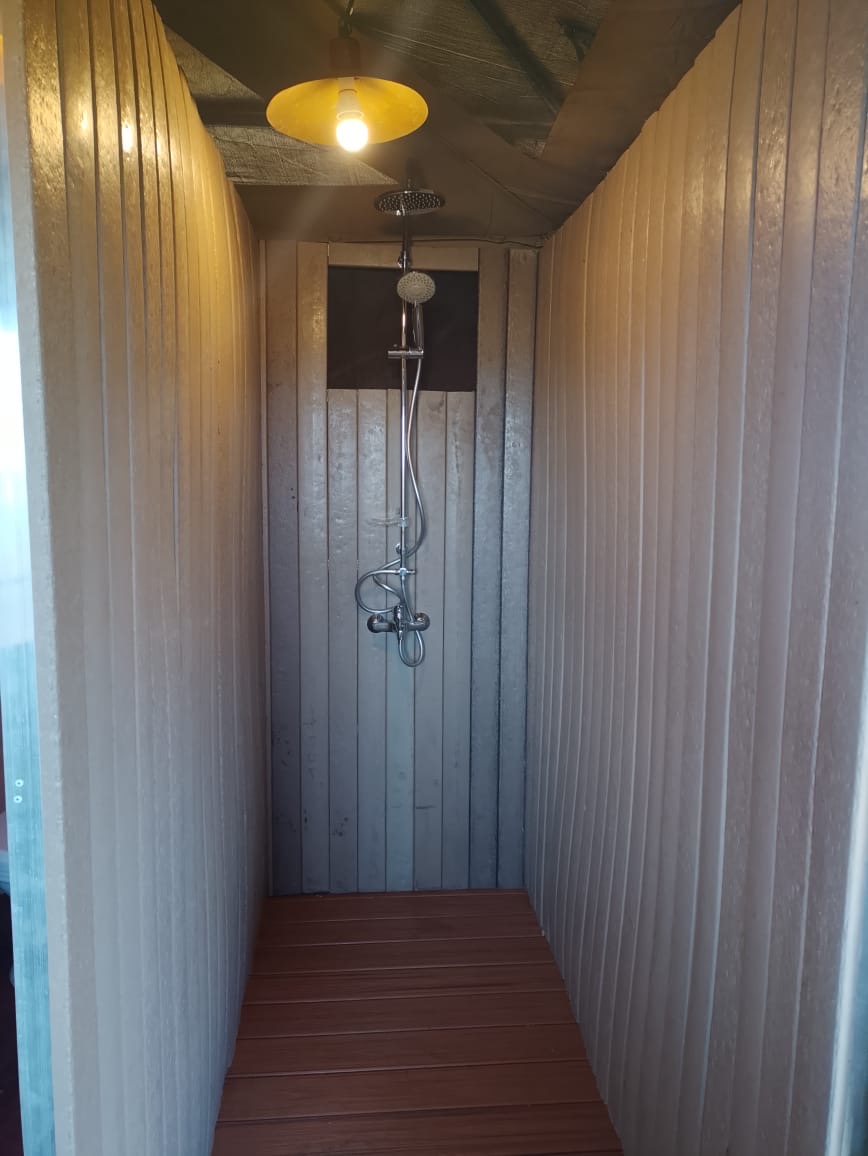
Recycled plastic lumber is the right answer wherever timber fails because of water, insects or maintenance. That covers the overwhelming majority of outdoor and wet-area construction in Tanzania: deck boards and their subframes, walkways and boardwalks, bathroom and shower cladding, fencing, pergolas, fascias, planters, benches and camp furniture.
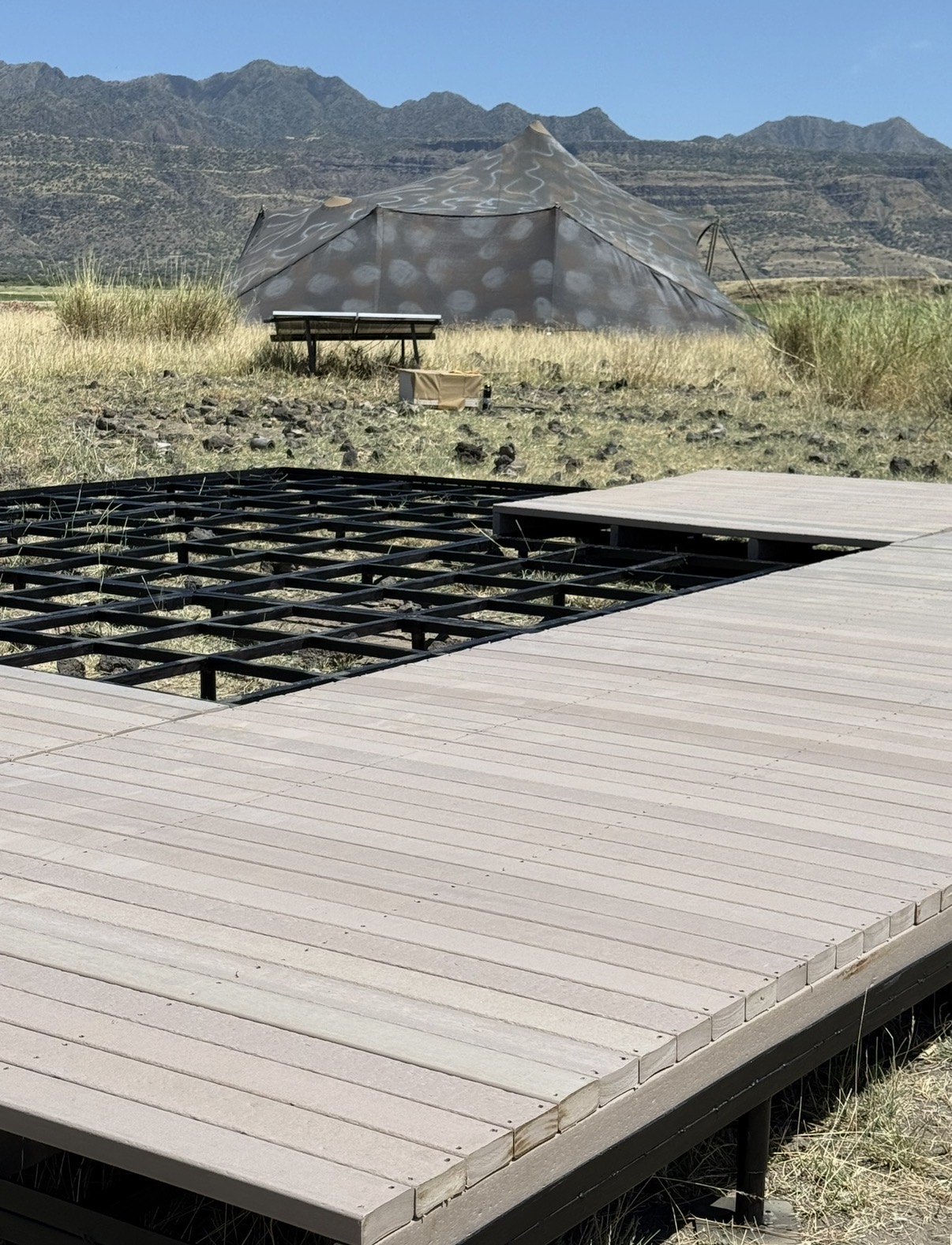
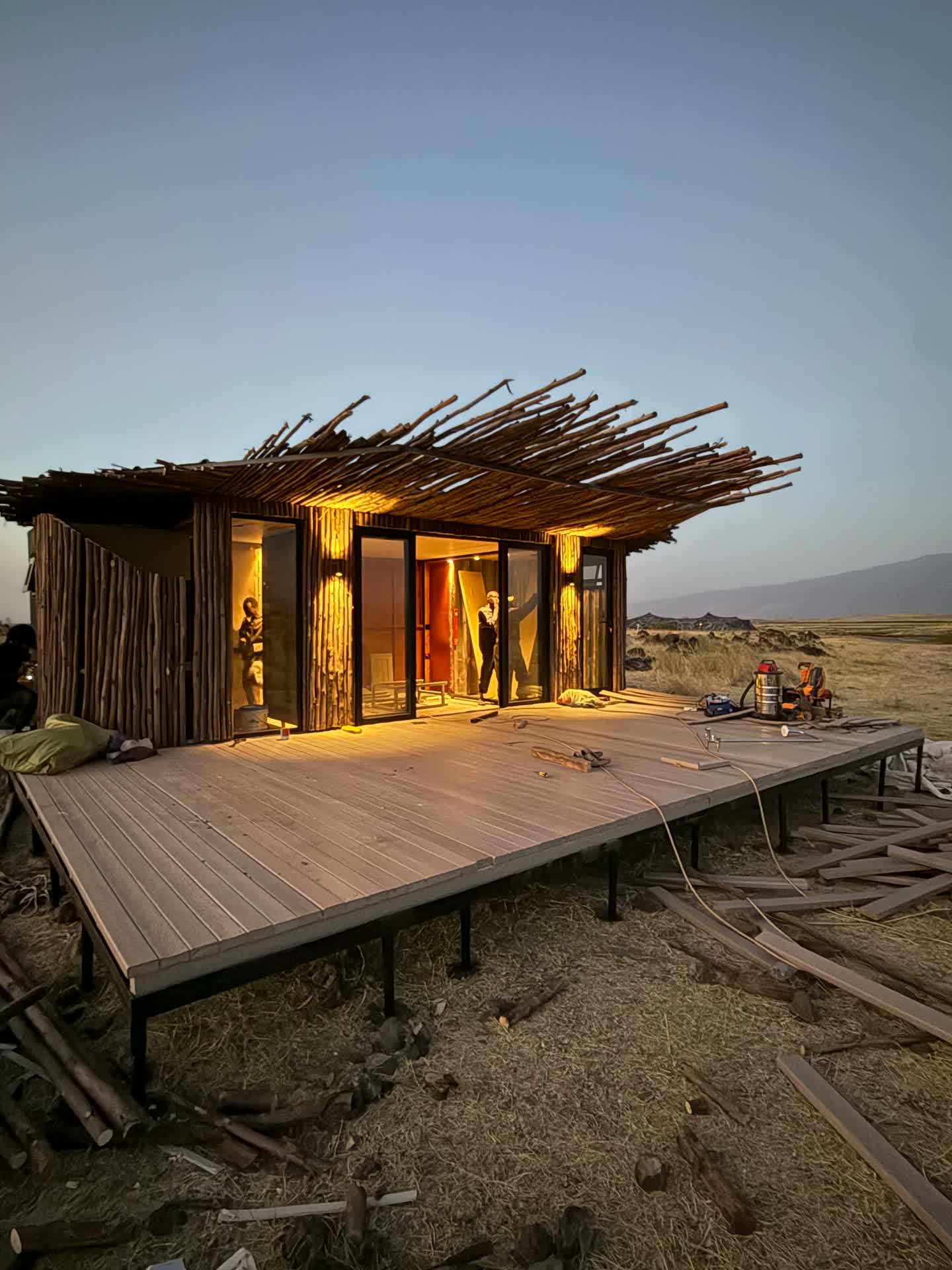
It is deliberately not a like-for-like substitute for primary structural timber over long spans. The material is stiff enough for joists, bearers and secondary framing, but for large spans or heavy loads we design a steel sub-frame and fix plastic profiles to it. This hybrid is what we build for safari camps, and it gives you a structure with no rotting element at ground or splash level.
For interiors, the material is used for furniture, joinery components and slatted screens rather than as a wall lining. Send drawings or even a phone photo of the site and we will tell you honestly which parts of the build the material should and should not do.
What it costs and how it is quoted
Standard decking supply is quoted at TSh 160,000 per square metre; every other profile is priced per running metre, per square metre or per piece and confirmed in a written quotation.
The honest comparison with timber is not the purchase price but the ten-year price. A hardwood deck in Arusha or Zanzibar needs sanding and re-oiling roughly every season, and boards start being replaced within a few years where they meet the ground or the splash zone. A recycled plastic deck has no coating to renew and no board replacement cycle, so after the first installation the running cost is a hose and a brush.
Use the online calculator to convert your area in square metres into running metres of 4×1.5 inch plank and an indicative supply figure, then send it through for a formal quotation that includes fixings, fabrication and delivery to your site.
How to specify and fix it on site
Installation is familiar work for any competent fundi, with a handful of details that matter. Plastic expands and contracts more than timber with temperature, so long runs need an expansion gap at the ends and fixings that allow slight movement. Pre-drill screw holes, use stainless or galvanised fasteners, and keep joist centres tighter than you would for hardwood — typically 300 to 400 mm depending on the profile and the load.
For decks, we recommend a steel or recycled-plastic sub-frame rather than treated softwood, otherwise the shortest-lived component in the build is the part nobody can see. For cladding in showers and bathrooms, board joints are detailed so water runs off the face instead of into the fixing line.
A fixing detail sheet goes out with every order, and for larger projects our team can supervise the first bay so the site crew sets the pattern correctly.